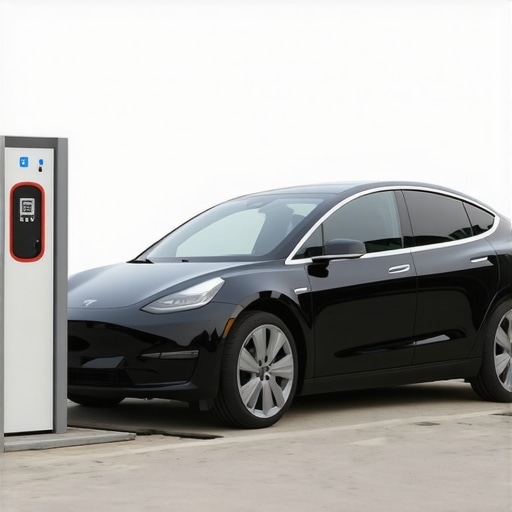

Avoid the Fines: 5 Critical 2026 EV Code Compliance Rules
I remember the moment quite vividly. I was in a rush to upgrade my home’s electrical system for my new electric vehicle, excited to finally ditch gas and embrace cleaner driving. But amidst the buzz of planning my panel upgrade and installing a new charger, I overlooked one critical detail—compliance with the upcoming 2026 EV code regulations. A week later, I was slapped with a hefty fine, all because I didn’t heed the changing rules and overlooked essential safety standards. That lightbulb moment made me realize how many homeowners and DIY enthusiasts are unknowingly risking fines, safety hazards, and future headaches. The truth is, navigating the evolving landscape of EV charger regulations can be daunting—especially with reforms coming in just a few years.
What’s at stake if you ignore these new requirements?
We’re talking about more than just fines or paperwork. Improper installation or non-compliance can compromise your home’s safety, damage your new EV, and void warranty coverage. I’ve learned this the hard way—early mistakes cost me dearly. That’s why I decided to dive deep into the best practices for code compliance and how to ensure your setup is future-proof. Today, I’ll share practical steps and insider tips to help you avoid costly errors and stay on the right side of the law.
Why skipping compliance testing could haunt you later
It’s tempting to believe that a quick install will do. Maybe you’ve watched a few online tutorials or talked to a friend who played DIY electrician. But skipping proper inspection and testing could leave you vulnerable. The National Fire Protection Association reports that improper electrical work accounts for over 40% of home electrical fires. That’s a staggering statistic underscoring the importance of thorough, code-compliant installation. My early mistake was rushing without consultation, assuming that as long as the charger worked temporarily, I was safe. This oversight not only jeopardized my safety but also featured in the fines I later received. To avoid this, I recommend consulting professional resources and understanding local code requirements—like those detailed in expert troubleshooting guides. It’s all about safeguarding your investment and your family’s safety.
Now that I’ve laid out the risks and common pitfalls, let’s turn the page and explore the crucial rules you must master before the 2026 deadline. Staying compliant isn’t just about avoiding fines; it’s about ensuring your EV charger operates reliably and safely for years to come. Ready to get started? Let’s dive into the critical steps to navigate this complex terrain—without losing your mind (or your wallet). Check if you’ve faced similar challenges or uncertainties in your setup. If so, you’re not alone. Many homeowners find these new regulations overwhelming, but with the right guidance, you’ll be well on your way to a compliant, safe, and efficient charging station at home.
Assess Your Electrical Panel
Start by inspecting your home’s electrical panel, as it’s the backbone of your charging setup. I once skipped this step and underestimated the load capacity, leading to frequent breaker trips. To avoid this, turn off the main power, remove the panel cover carefully, and check for enough amperage capacity for your EV charger. Look for a dedicated circuit as recommended in panel upgrade guides. If your panel lacks the capacity, plan a panel upgrade — this step is critical for safety and compliance. Don’t rush this inspection; it sets the foundation for a compliant installation.
Upgrade the Panel if Needed
If you find your existing panel insufficient, upgrade it with a capable unit. I hired a licensed electrician to replace a outdated panel and ensure proper wiring. Think of it like upgrading the engine of a car before adding a turbocharger; the old engine won’t handle the new demand. Ensure the new panel supports the required amperage, has proper grounding, and includes AFCI and GFCI protections as per local codes. Remember, a professional installation not only ensures safety but also helps you meet code standards. This investment pays off by preventing future fines and safety violations.
Choose a Compliant EV Charger
Select a charger that adheres to the latest standards. I recommend models certified for 2026 compliance, which include smart features and safety mechanisms. Verify their certifications, and avoid cheap, unverified units. Installing a compliant charger is like choosing a high-quality safety harness—your safeguard against accidents. Cross-reference your model with local regulation checklists available at your local code requirements. This ensures you’re on the right side of the law and protecting your investment.
Proper Wiring and Connection
Wiring is the nerve system of your charging station. I once attempted a DIY wiring job based on a tutorial but overlooked the importance of wire gauge and proper connectors. The result was unreliable charging and potential safety hazards. Always use the correct wire gauge—usually 6 AWG for dedicated circuits over 50 amps—and quality connectors. Follow wiring diagrams meticulously, matching colors and ensuring tight connections. Use tools like a multimeter to check continuity and proper voltage levels before powering up the system. For complex setups, consulting expert troubleshooting guides can save you from costly errors and fire risks.
Conduct Final Inspection and Testing
Before plugging in your EV, perform a thorough inspection and testing. This includes checking all connections, verifying ground and bond integrity, and ensuring circuit breakers trip correctly. I once missed testing the GFCI functionality, which could have led to electric shock hazards. Use a tester to simulate fault conditions; ensure breakers respond appropriately. Engage a licensed electrician to perform an inspection, especially if you’re unfamiliar with electrical standards. Confirm your installation aligns with code compliance checklists. Proper testing in the final step guarantees your setup is safe, reliable, and legally compliant for the 2026 regulations—avoiding future penalties and hazards.
Why the Most Common Troubleshooting Advice Often Misses the Mark
Many homeowners rely heavily on online tutorials or quick fixes suggested by peers, believing that basic resets or simple inspections are enough. However, this approach often overlooks the complexities involved in diagnosing electrical issues. For instance, a common myth is that unplugging and replugging the charger solves connectivity problems, but the real culprit could be wiring faults, grounding issues, or outdated panels. Rushing through these steps may mask underlying safety hazards or code violations, which could later lead to dangerous failures or legal complications. As an expert, I advise conducting comprehensive diagnostics and consulting trusted resources like specialized troubleshooting guides to identify root causes effectively.
How do I keep my EV charging setup functioning smoothly over time?
Maintaining your electric vehicle charging station isn’t a set-it-and-forget-it task. It requires specific tools and periodic checks to ensure safety, efficiency, and compliance with evolving standards. One tool I rely on heavily is a high-quality multimeter, like the Fluke 117. This device allows precise voltage and continuity testing, confirming that all connections are secure and functioning correctly. I use it regularly to verify circuit integrity after any maintenance or upgrades, which helps prevent unexpected failures and safety hazards. Additionally, an infrared thermometer can be invaluable for detecting hot spots in wiring or connections, indicating potential issues before they escalate. Having a dedicated circuit tester for GFCI and AFCI outlets ensures your safety devices are operational, providing peace of mind during daily use. For software, I recommend installing a smart monitoring app compatible with your EV charger. These apps enable remote diagnostics, alerting you to faults or performance drops, so you can address problems proactively. As the industry moves towards smarter, more integrated systems, embracing these tools will become even more critical. Looking ahead, I predict that future EV charging maintenance will increasingly involve AI-driven diagnostics and automated safety checks, further simplifying long-term management. To maximize the longevity of your setup, schedule routine inspections—at least biannually—and keep detailed logs of performance and any repairs. Addressing issues promptly with the right equipment can save you from costly repairs or safety violations down the line. Want to take your maintenance game to the next level? Try integrating a professional-grade circuit tester into your routine. It’s a small investment that offers big peace of mind, ensuring your installation remains compliant, safe, and reliable for years to come. Remember, the key to sustainable EV charging isn’t just about initial installation but ongoing care—tools are your best allies in this journey.
Over the years, I’ve learned that the real challenge isn’t just installing an EV charger but ensuring that every step aligns with evolving safety standards and regulations. My biggest breakthrough came when I realized that meticulous inspection and proactive planning can prevent future headaches and safety hazards. For instance, investing extra time into a comprehensive panel assessment saved me from costly upgrades later. It’s not just about following rules—it’s about creating a setup that stands the test of time, offering peace of mind and smooth operation. Remember, embracing the latest tools and staying informed about regulations like the 2026 EV code reforms can make all the difference. Your journey toward a safer, compliant, and efficient home charging station starts with small, intentional steps—trust me, the payoff is well worth it.
Secrets I Wish I Discovered Sooner About Troubleshooting and Compliance
- The importance of thorough early inspections: Skipping this is like building on shaky ground. Ensuring your electrical panel can handle the load is foundational—don’t overlook it.
- Understanding local regulations deeply: Relying solely on tutorials can lead to gaps. Dive into resources like expert troubleshooting guides to stay ahead.
- Testing before powering up: Conducting final inspections with diagnostic tools has saved me from future failures—and potentially dangerous situations.
- Planning for future upgrades: Considering your home’s long-term needs ensures compliance and safety down the line—don’t settle for the quick fix.
Tools and Resources That Changed My Approach to EV Charging Safety
- High-quality multimeter: A reliable multimeter like the Fluke 117 is indispensable for verifying wiring integrity and voltage levels, helping catch issues early.
- Smart monitoring apps: These allow remote diagnostics and real-time alerts, simplifying ongoing maintenance—embrace technology to stay proactive.
- Official code compliance checklists: Resources at your local code requirements are vital for ensuring your setup ticks all boxes.
- Guides and expert blogs: Regularly consulting trusted sources, like specialized troubleshooting guides, keeps me updated on best practices.
Empower Your Home: Take Charge of Your EV Charger Journey
Stepping into the world of EV charging can feel overwhelming at first, but with the right mindset and tools, you’re fully capable of creating a safe, compliant system. Remember, every expert was once a beginner who decided to learn and adapt. Your proactive efforts today will pave the way for reliable, future-proof charging at home. Embrace continuous learning, leverage the resources available, and don’t hesitate to seek professional advice when needed. The future of EV charging is bright—your role in ensuring safety and compliance is crucial. Now, are you ready to take the next step confidently? Share your experiences or questions below, and let’s navigate this journey together.
Reading this post really hit home for me. When I first installed my EV charger, I was eager to get it done quickly and didn’t pay enough attention to the latest compliance standards. It wasn’t until I faced some issues with my breaker tripping that I realized I might have overlooked some critical safety steps. Since then, I’ve learned that careful inspection of the panel capacity and making sure all wiring meets code are essential for a safe, reliable setup. What surprises me is how many homeowners are unaware—just like I was—that minor shortcuts can lead to major problems down the line, including safety hazards and fines. Has anyone here gone through a thorough professional assessment after their initial DIY install? I’d love to hear about how it helped prevent future issues or what unexpected challenges came up during upgrades.
This post highlights such an important aspect of EV charger installation that often gets overlooked: the ongoing maintenance and inspection to keep everything compliant and safe. I personally learned the hard way after I installed my charger, which initially seemed fine but later experienced issues due to improper wiring connections. Regularly using diagnostic tools like a multimeter and checking for hot spots can really help catch potential problems early. I also find that staying updated on local code requirements and certification standards saves a lot of headache down the road. Has anyone integrated smart monitoring systems with their charging stations? I’m curious if they genuinely help in the long run for prevention and peace of mind. Creating a reliable, compliant setup isn’t just a one-time task; it’s about continuous care to ensure safety and efficiency. Would love to hear other practical tips from those who’ve navigated these ongoing checks successfully.